

Ketamine - Assisted Psychotherapy (KAP)

A Transformational Therapy

More than just talking

KAP is a holistic, psychedelic-assisted modality that pairs ketamine treatment with psychotherapy for deeper insights, more frequent breakthroughs and better clinical outcomes.

Better, faster results

87% of KAP clients improve their depression & anxiety symptoms after their 2nd medical appointment.

World-class medical care

A dedicated care team takes on all aspects of your medical treatment, building you a personalized treatment plan while collaborating with your therapist every step of the way.

Gets to the root issues

KAP targets the underlying causes of mental illness rather than merely addressing the symptoms.

Helping the brain heal

Its rapid antidepressant and mood-enhancing properties are complemented by its ability to enhance neuroplasticity and foster new synaptic connections, leading to a more resilient and healthier brain over time.

A safe, widely-used medicine

Ketamine has been FDA approved for anesthesia and analgesia since 1970, and as a mental health treatment since 2019, and is currently listed on the World Health Organization's essential medications list.

— KAP 101

Ketamine - Assisted Psychotherapy

Ketamine-Assisted Psychotherapy (KAP) combines safe, legal ketamine treatment and psychotherapy sessions with a licensed mental health professional.

87% of KAP patients experienced an improvement in their depression or anxiety symptoms after two medical visits.

What is the process like?

Step 1: Medical Assessment

I partner with an organization called Journey Clinical. The prospective client schedules an initial evaluation with Journey Clinical, where they will go over the client's medical and psychiatric history and determine eligibility. If the medical team deems the client eligible, they develop a personalized treatment plan, which is communicated to me.

Step 2: Psychotherapy Sessions

All Journey Clinical clients will be in a therapeutic alliance with a trained, licensed mental health professional within the Journey Clinical network.  KAP preparation, dosing and integration sessions will be scheduled.

  • Preparation Sessions - The client and psychotherapist align on the process and set intentions for their KAP work together. Preparation sessions are scheduled just like regular therapy sessions prior to the KAP dosing session; the quantity and length of these sessions is determined by the psychotherapist and the client's unique treatment plan.
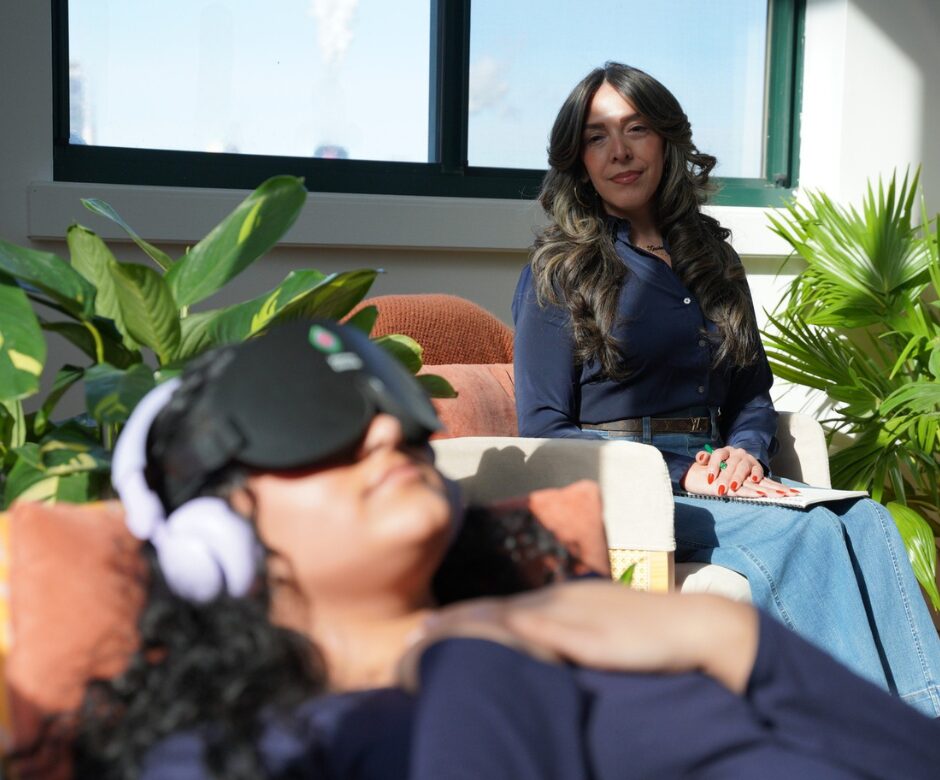
  • Dosing Sessions - A typical ketamine dosing session lasts between 2-3 hours and can take place either in-person or remotely via telehealth. During a dosing session, clients self-administer their ketamine lozenge. Typically, the client will be in a comfortable, reclining position wearing an eye mask and listening to calming music. Although a KAP dosing session may be largely an internal experience, the therapist is present the entire time to hold space and provide support as needed. Clients are prescribed 6-8 dosing sessions on average.
  • Integration Sessions - After every KAP dosing session, the client and their therapist meet for multiple integration therapy sessions to review the memories, thoughts & insights that arose during the dosing session, and to prepare for the next dosing session.

Step 3: Ongoing Follow Up

Journey Clinical’s medical team schedules regular follow ups with the patient to monitor outcomes, collaborating with their psychotherapist throughout their treatment. The frequency of follow ups depends on the patient’s customized treatment plan, at a minimum of once per quarter.

Do you prescribe the medicine?

I offer a therapeutic modality called Ketamine-Assisted Psychotherapy (KAP) in partnership with an organization called Journey Clinical.

Ketamine-Assisted Psychotherapy (KAP) is a holistic modality in which ketamine is used as a complement to psychotherapy to help eligible clients experience breakthroughs and sustained improvement in symptoms. I take on the talk therapy portion of the experience, while Journey Clinical’s medical team supports you on all medical aspects. This includes determining eligibility, developing a custom treatment plan, prescribing the medicine and monitoring outcomes. 

How does Ketamine feel?

The effects of ketamine, which most patients find pleasant and relaxing, can make you feel “far from” your body, and facilitate shifts in perception that can often feel expansive in nature. Your motor and verbal abilities will be reduced and your senses may be heightened, so you’ll be lying down in a comfortable position during the experience. The peak effect typically lasts for approximately 45 minutes. 

How does Ketamine work?

Ketamine modulates the neurotransmitter glutamate, promoting the growth of new neural connections (neuroplasticity) and helping to disrupt negative thought patterns, while the psychotherapy component helps clients process these insights for lasting change.

How do I sign up?

E-mail khtherapyca@gmail.com or call 760-410-8609 to discuss eligibility and next steps.

What conditions can KAP treat?

It is primarily used for treatment-resistant depression, but has also shown promise with anxiety disorders, PTSD, OCD, trauma, burnout, and certain types of chronic pain.

How quickly can I expect results?

Many clients report rapid improvements within hours to days, which is much faster than traditional antidepressants, which can take weeks or months for fully effective dosing.

How many sessions will I need, and how long does the relief last?

A typical initial course involves up to eight sessions over several weeks, with effects that can last for days to weeks. Booster sessions may be needed to maintain the benefits.

Is ketamine safe? Is it addictive?

When administered in a controlled, clinical setting by licensed professionals, ketamine is considered safe and has a low risk for addiction. Recreational misuse, however, can lead to dependence.

What are the potential side effects?

Common, temporary side effects include nausea, dizziness, a "floaty" or dissociative feeling, and increased blood pressure, which are monitored and managed by the medical team.

Who is not a good candidate for KAP?

It's generally not recommended for people with uncontrolled high blood pressure, active mania, a history of psychosis (e.g., schizophrenia), or uncontrolled and active substance abuse issues.

Can I drive after a session?

No, you will need to arrange for transportation home and avoid operating heavy machinery or signing legal documents for at least 12-24 hours after a session.

How do I prepare for a session?

Preparation will be comprehensive before your dosing session, so you can know what to expect and feel ready. Generally, the day of involves avoiding food or drink for a few hours before the session, focusing on intentions, and arranging for a ride home. 

Book your first session

Kind Heart Therapy